 View PDF
The content displayed below is for educational and archival purposes only.
Unless stated otherwise, content is © Watch Tower Bible and Tract Society of Pennsylvania
You may be able to find the original on wol.jw.org
Myth 6: God Approves of the Use of Images and Icons in Worship
What is the origin of the myth?
“Images were unknown in the worship of the primitive Christians . . . The admission of images into the church in the 4th and 5th centuries was justified on the theory that the ignorant people could learn the facts of Christianity from them better than from sermons or books.”— Cyclopedia of Biblical, Theological, and Ecclesiastical Literature, by McClintock and Strong, Volume 4, pages 503 and 504.
What does the Bible say?
“You shall not make for yourself an idol in the form of anything in heaven above or on the earth beneath or in the waters below. You shall not bow down to them or worship them.” (Exodus 20:4, 5, The Holy Bible
Are images, as the churches claim, simply a means of approaching and honoring what they represent? “At first,” states The Encyclopedia of Religion, “images may have served primarily didactic [teaching] and decorative purposes; at least, they were defended on such grounds. But soon they came to fill admittedly devotional functions. This was especially true of the icons that became a prominent feature of Eastern Orthodoxy.” However, the prophet Isaiah rightly asked: “To whom can you compare God? What image can you contrive of him?”
Compare these Bible verses: Isaiah 44:13-19; Acts 10:25, 26; 17:29; 2 Corinthians 5:7
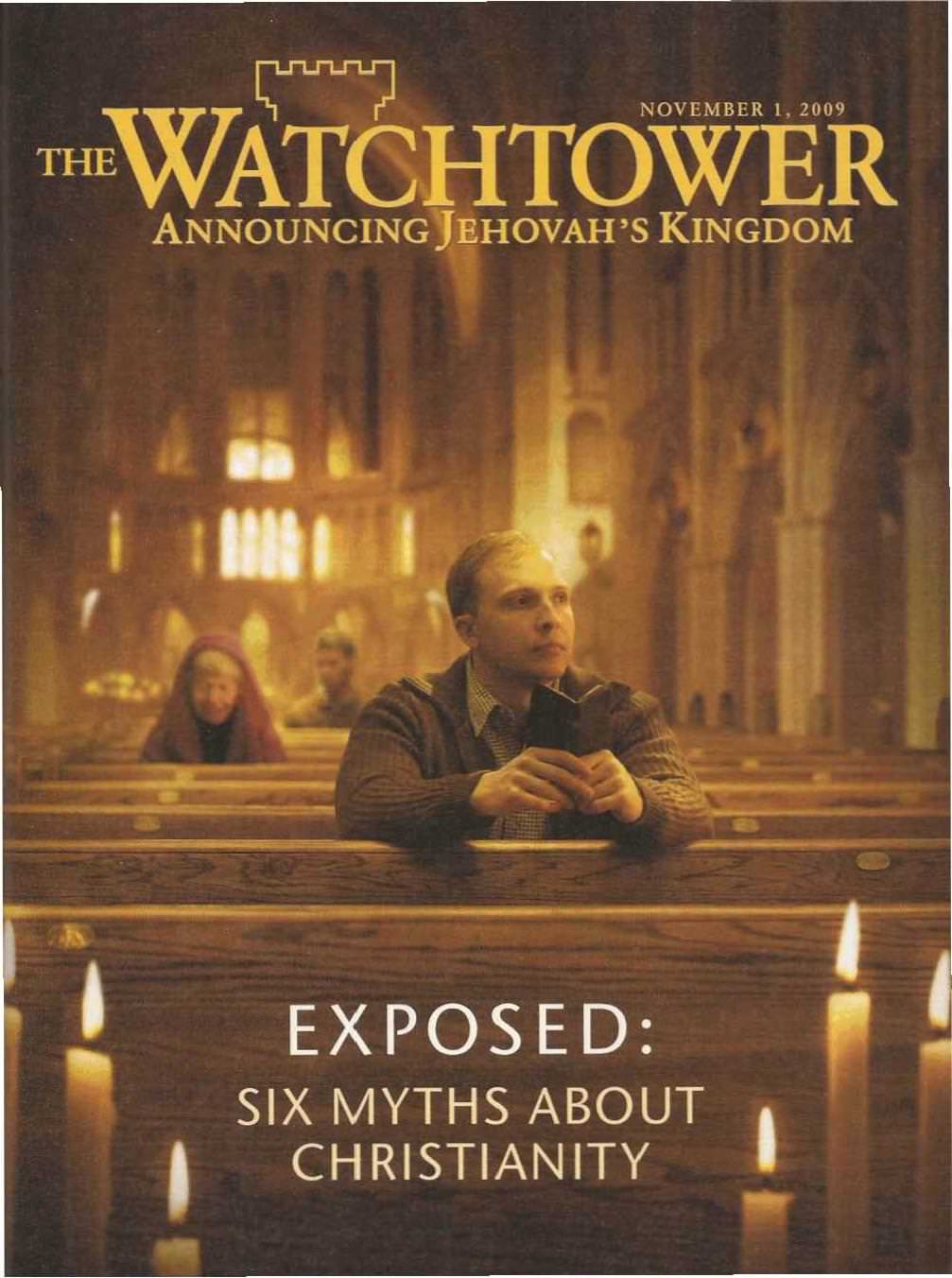
What can we conclude from this brief review of myths that are still taught by many churches? These “tales [Greek, myʹthos] artfully spun” cannot rival the simple and comforting truths of the Bible.
Therefore, with an open mind, do not hesitate to compare with God’s Word
