 View PDF
The content displayed below is for educational and archival purposes only.
Unless stated otherwise, content is © Watch Tower Bible and Tract Society of Pennsylvania
You may be able to find the original on wol.jw.org
UUR KINGDOM MINISTRY
November 2006
For United States of America
km-E Us 11 706 Vol. 49, No. 11
Bold yet Peaceable
-
1 Many people to whom we preach express sincere beliefs that are contrary to Bible truth. While we must preach with boldness, we also wish to “be peaceable with all men” and to avoid giving needless offense. (Rom. 12:18; Acts 4:29) How can we be bold and yet peaceable as we present the Kingdom message?
-
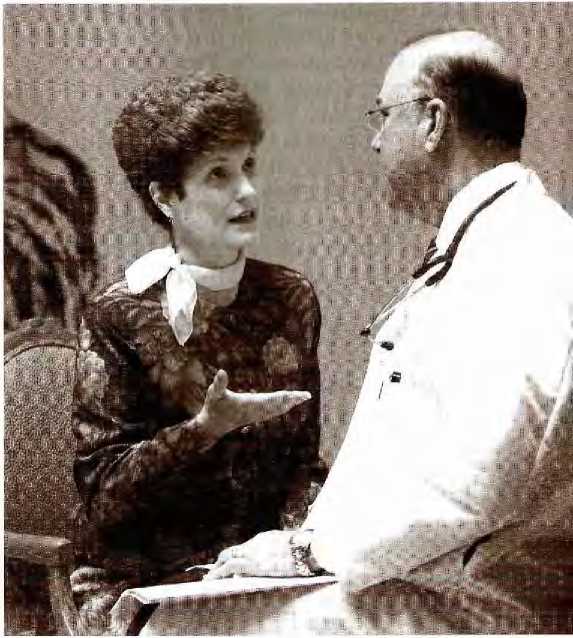
2 Find Areas of Agreement: A peaceable person avoids arguments. Needlessly challenging a householder’s strongly held beliefs will not put him in a receptive frame of mind. If he makes a wrong statement, perhaps we can tactfully introduce a point on which there might be agreement. By emphasizing what we hold in common, we may be able to disarm any negative feelings and appeal to his heart.
-
3 If we let a householder’s incorrect viewpoint pass, are we compromising or watering down the truth? No. Our assignment as Christian ministers is, not to refute every misconception we encounter, but to preach the good news of God’s Kingdom. (Matt. 24:14) Rather than overreacting when an incorrect viewpoint is expressed, we can view it as an opportunity to gain insight into the person’s thinking.—Prov. 16:23.
-
4 Preserve Dignity: There are times when we must be bold and courageous when refuting wrong teachings. As peaceable persons, however, we refrain from ridicule as well as the use of derogatory terms to describe those who believe and teach error. An air of superiority alienates, but a humble and kindly approach opens the minds of lovers of truth. Showing respect for our listeners and their beliefs preserves their dignity, thus making it easier for them to accept our message.
-
5 The apostle Paul considered the beliefs of those he preached to and sought to present the good news in a way that would appeal to their hearts. (Acts 17:22-31) He willingly became “all things to people of all sorts,” that he “might by all means save some.” (1 Cor. 9:22) We can do the same by being peaceable as we boldly preach the good news.
Revelation
—Its Grand Climax At Hand!
-
1 “Happy is he who reads aloud and those who hear the words of this prophecy, and who observe the things written in it; for the appointed time is near.” (Rev. 1:3) Those words highlight the value of the book of Revelation, especially since we are living during the appointed time for many of its prophecies to be fulfilled. Fittingly, we will begin a study of the book Revelation —Its Grand Climax At Hand! at the Congregation Book Study starting the week of January 8, 2007.
-
2 Since the last time that we studied the Revelation Climax book at the Congregation Book Study, the world scene has changed in many ways. (1 Cor. 7:31) Furthermore, many who have joined the ranks of those preaching the good news of the Kingdom have never benefited from a verse-by-verse consideration of the book of Revelation. The study of the Revelation Climax book should help all of us remain awake to what lies ahead.—Rev. 16:15.
-
3 Make it your aim to be present each week. Not only will the material help us to keep on the watch but also the messages from Jesus to the seven congregations will help us to avoid situations and circumstances that could adversely affect our spirituality and participation in the ministry.—Rev. 1:11,19.
-
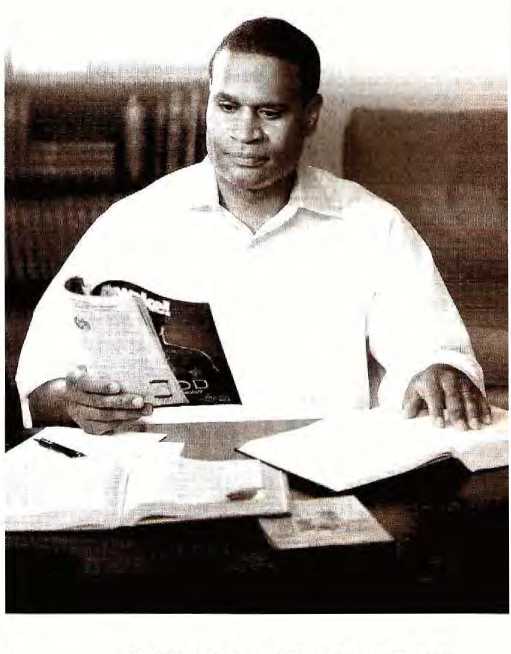
4 Prepare Well: Before each book study, read the verses in the book of Revelation that will be analyzed. Note the Scriptural reasoning that provides explanation. Strive for understanding that reaches the heart. (Neh. 8:8, 12) Take time to meditate and to ask yourself: ‘What is this telling me about Jehovah and the outworking of his purpose? How can I act in harmony with his purpose and help others?’
-
5 Ninety-two years have passed since the start of “the Lord’s day" in 1914. (Rev. 1:10) Earth-shattering events foretold in the book of Revelation lie just ahead. The study of the Revelation Climax book will refresh our heart and mind and strengthen our faith that “the war of the great day of God the Almighty” and the new world are near.—Rev. 16:14; 21:4, 5.
Week Starting November 13
Song 152
10 min: Local announcements. Using the suggestions on page 8 or other presentations appropriate for your territory, demonstrate how to offer the November 15 Watchtower and the November Awake! In one of the demonstrations, show how to handle the potential conversation stopper “I am already well acquainted with your work.”—See Reasoning book, p. 20.
20 min: Ministers of the. Good News. Talk and audience discussion based on Organised to Do Jehovah’s Will, page 77 to the subheading on page 83.
15 min: “Bold yet Peaceable.”: Include comments on the Ministry School book, pages 252-3, under the italicized subheading “When to Yield.”
Song 39 and concluding prayer.
Week Starting November 20
Song 132
10 min: Local announcements. Selected Announcements from Our Kingdom Ministry.
15 min: Local needs.
20 min: Offering the Greatest Man book in December. Audience discussion. Entertain comments from the audience on what they appreciate about the Greatest Man book and outstanding experiences they have had from offering it in the past. Review the sample presentations from the insert to the January 2005 Our Kingdom Ministry. Demonstrate how to offer the book, using one of the sample presentations or another presentation that would be effective in the local territory.
Song 203 and concluding prayer.
Week Starting November 27
Song 111
10 min: Local announcements. Using the suggestions on page 8 or other presentations appropriate for your territory, demonstrate how to offer the December 1 Watchtower and the December Awake! In one of the presentations, demonstrate how to offer the magazines to a nonWitness relative. Read accounts report and donation acknowledgments. Remind publishers to turn in field service reports for November.
10 min: Unitedly Building to Praise God. Talk by an elder based on the November 1, 2006, Watchtower, pages 17-21.
25 min: “How Do I View Blood Fractions and Medical Procedures Involving My Own Blood?” Question-and-answer discussion and demonstration. The elder handling this part should follow closely the outline provided by the branch office. Song 120 and concluding prayer.
Song 155
10 min: Local announcements.
15 min: “Revelation—Its Grand Climax At Hand!”--Encourage the congregation to make good use of the special features of the book, such as the boxes and illustrations. At the end of each study, the lesson should be reviewed from the Bible.
20 min: “How to Prepare a Magazine Presentation.”* Include a three-minute demonstration of two publishers, perhaps a husband and wife, selecting a suggested presentation appearing on page 8 for the December magazines and deciding how they will use it, putting it in their own words. Then, using the suggestions in the article just considered, they prepare and demonstrate how they would present another article that they have found to be timely in their territory.
Song 168 and concluding prayer.
Limit introductory comments to less than a minute, and follow with a question-and-answer discussion.
July Service Report
Av. Av. Av. Av.
Number of: Hrs. Mags. R.V Bi.St
|
Sp’l Pios. |
190 |
98.3 74.0 41.7 4.4 |
|
Pios. |
93,250 |
59.9 34.3 17.9 1.9 |
|
Pios. |
30,225 |
49.9 30.2 10.8 1.0 |
|
Pubs. |
889,005 |
9.9 7.7 3.4 0.3 |
|
TOTAL |
1,012,670 |
Baptized: 5,705 |
© 2006 Christian Congregation of Jehovah’s Witnesses. All rights reserved. Our Kingdom Ministry (ISSN 1067-7259) is published monthly by Christian Congregation of Jehovah's Witnesses; W. L. Van De Wall, President; W. H. Nonkes, Secretary-Treasurer; 2821 Route 22. Patterson, NY 12563-2237. Periodicals Postage Paid at Brooklyn, NY and at additional mailing offices. POSTMASTER: Send address changes to Our Kingdom Ministry 1000 Red Mills Road, Wallkill, NY 12589-3299. Printed in U.S.A.

How Do I View Blood Fractions and Medical Procedures Involving My Own Blood?
The Bible commands Christians to “abstain from . . . blood.” (Acts 15: 20) Thus, Jehovah’s Witnesses do not accept transfusions of whole blood or the four primary components of blood —namely, red blood cells, white blood cells, platelets, and plasma. They also do not donate or store their own blood for transfusion.—Lev. 17:13,14; Acts 15: 28, 29.
What are blood fractions, and why is their use a matter for each Christian to decide?
cept or will reject the medical use of these substances.
When making such decisions, consider the following questions: Am I aware that refusing all blood fractions means that I will not accept some medications, such as certain ones that fight viruses and diseases or that help blood to clot in order to stop bleeding? Could I explain to a physician why I reject or accept the use of certain blood fractions?
Blood fractions are elements from blood that are extracted through a process called fractionation. For example, plasma, one of the four major components of blood, can be divided into the following substances: water, about 91 percent; proteins, such as albumins, globulins, and fibrinogen, about 7 percent; and other substances, such as nutrients, hormones, gases, vitamins, waste products, and electrolytes, about 1.5 percent.
Are fractions also covered by the command to abstain from blood? We cannot say. The Bible does not give specific direction on the subject of fractions.1 Of course, many fractions are derived from blood that has been donated for medical purposes. Each Christian should make a conscientious decision as to whether he or she will ac-
u/OBkmtE Us
OUR KINGDOM MINISTRY, NOVEMBER 2006
Why are some procedures involving the medical use of my own blood a personal decision?
Although Christians do not donate or store their own blood for transfusion purposes, some procedures or tests involving an individual’s blood are not so clearly in conflict with Bible principles. Therefore, each individual should make a conscientious decision as to whether to accept or to reject some types of medical procedures involving the use of his or her own blood.
When making such decisions, ask yourself the following questions: If some of my blood will be diverted outside my body and the flow might even be interrupted for a time, will my conscience allow me to view this blood as still part of me, thus not requiring that it be ‘poured out on the ground’? (Deut. 12:23, 24) Would my Bible-trained conscience be troubled if during a medical procedure some of my own blood was withdrawn, modified, and directed back into my body? Am I aware that refusing all medical procedures involving the use of my own blood means that I refuse treatments such as dialysis or the use of a heart-lung machine? Have I prayerfully considered this matter before making a decision?2
What are my personal decisions?
Consider the two work sheets on the following pages. Work Sheet 1 lists some of the fractions extracted from blood and how they are commonly used in medicine. Fill in your personal choice as to whether you will accept or will reject the use of each of these fractions. Work Sheet 2 lists some common medical procedures involving your own blood. Fill in your personal choice as to whether you will accept or will reject these procedures. These work sheets are not legal documents, but you may use your answers on these work sheets to help you to complete your DPA (durable power of attorney) card.
Your decisions should be your own and should not be based on someone else’s conscience. Likewise, no one should criticize another Christian’s decisions. In these matters, “each one will carry his own load” of responsibility.—Gal. 6:4, 5.
PLASMA
RED CELLS
WHITE
CELLS
PLATELETS
|
T 7 i: 1 | |
|
FRACTIONS |
Choices Ybu Need to Make |
|
ALBUMIN—UP TO 4% OP PLASMA A protein extracted from plasma. Types of albumin are found also in plants, in foods such as milk and eggs, and in the milk of a nursing mother. Albumin from blood is sometimes used in volume expanders to treat shock and severe burns. These preparations may contain up to 25 percent albumin. Minute amounts are used in the formulation of many other medicines, including some formulations of erythropoietin (EPO). |
__1 accept albumin or _ 1 refuse albumin |
|
IMMUNOGLOBULINS—UP TO 3% OF PLASMA Protein fractions that may be used in some medicines that fight viruses and diseases, such as diphtheria, tetanus, viral hepatitis, and rabies. They may also be used to guard against some medical conditions that threaten the life of a developing baby and to counteract the effects of snake or spider venom. |
__1 accept immunoglobulins or __1 retuse immunoglobulins |
|
CLOTTING FACTORS—LESS THAN 1% OF PLASMA There are various proteins that help blood to clot in order to stop bleeding. Some are given to patients who tend to bleed easily. They are also used in medical glues to seal wounds and to stop bleeding after surgery. One combination of clotting factors is known as cryoprecipitate. Note: Some clotting factors are now made from nonblood sources. |
___I accept biood-derived clotting factors or I ___1 refuse blood-derived ; clotting factors |
|
HEMOGLOBIN—33% OF RED CELLS A protein that transports oxygen throughout the body and carbon dioxide to the lungs. Products being developed from human or animal hemoglobin could be used to treat patients with acute anemia or massive blood loss. |
__1 accept hemoglobin or __1 refuse hemoglobin |
|
HEMIN—LESS THAN 2% OF RED CELLS An enzyme inhibitor derived from hemoglobin that is used to treat a group of rare genetic blood disorders (known as porphyria) that affect the digestive, nervous, and circulatory systems. |
__1 accept hemin or „ 1 refuse hemin |
|
INTERFERONS—ATINY FRACTION OF WHITE CELLS Proteins that fight certain viral infections and cancers. Most interferons are not derived from blood. Some are made from fractions of human white blood cells. |
_ 1 accept blood-derived interferons or __1 retuse blood-derived interferons |
|
At present, no fractions from platelets are being isolated for direct use in medical treatment. |
■1 1 0 |
|
J.L”- -sYu.ii H .»,■:> : ■ . . |
HHHHMHimSBMHMHMHHKHBHHH YOUR PERSONAL DECISION |
.. . , , ■ - | | |
|
PROCEDURES INVOLVING THE MEDICAL USE OF YOUR OWN BLOOD *Note: The methodsof applying each of these medical procedures vary from physician to physician. You should have your physician explain exactly what is involved in any proposed procedure to ensure that it is in harmony with Bible principles and with your own conscientious decisions. | |||
|
NAMEOF TREATMENT |
WHAT ITACCOMPLISHES |
Choices You Need to Make (You might want to speak to your physician before accepting ar refusing any of these procedures.) | |
|
CELLSALVAGE HEMODILUTION HEART-LUNG MACHINE DIALYSIS EPIDURAL BLOOD PATCH PLASMAPHERESIS LABELING OR TAGGING PLATELET GEL; AUTOLOGOUS [MEANING “MADE FROM YOUR OWN BLOOD”J |
Reduces blood loss. Blood is recovered during surgery from a wound or body cavity. It is washed or filtered and then, perhaps in a continuous process, returned to the patient. Reduces blood loss. During surgery, blood is diverted to bags and replaced with a nonblood volume expander. Thus the blood remaining in the patient during surgery is diluted, containing fewer red blood cells. During or at the end of surgery, the diverted blood is returned to the patient. Maintains circulation. Blood is diverted to an artificial heartlung machine where it is oxygenated and directed back into the patient. Functions as an organ, in hemodialysis, blood circulates through a machine that filters and cleans it before returning it to the patient. Stops spinal fluid leakage. A smalt amount of the patient's own blood is injected into the membrane surrounding the spinal cord. It is used to seal a puncture site that is leaking spinal fluid. Treats illness. Blood is withdrawn and filtered to remove plasma. A plasma substitute is added, and the blood is returned to the patient. Some physicians may want to use plasma from another person to replace that from the patient’s blood. If so, this option would be unacceptable to a Christian. Diagnoses or treats illness. Some blood is withdrawn, mixed with medicine, and returned to the patient. The length of time one’s blood is outside the body may vary. Seals wounds, reduces bleeding. Some blood is withdrawn and concentrated into a solution rich in platelets and white cells. This solution is applied on surgical sites or wounds. Note: In some formulations, a clotting factor taken from cow’s blood is used. |
__1 accept __1 might accept* ___ 1 refuse ___1 accept __1 might accept’ ___1 refuse ___1 accept __1 might accept’ ___1 refuse ___1 accept __1 might accept’ ___1 refuse __1 accept ___1 might accept’ ___I refuse ___i accept l __1 might accept" ___ 1 refuse ___1 accept __1 might accept’ ___1 refuse _ 1 accept __1 might accept’ _ 1 refuse | |
Announcements
■ Literature offer for October 16-November 12: Special campaign distribution of Kingdom News No. 37, “The End of False Religion Is Near!” November 13-30: Learn From the Great Teacher. If individuals say they have no children, offer the tract Would You Like to Know More About the Bible? December: The Greatest Man Who Ever Lived. As an alternative offer, you may use My Book of Bible Stories, The Bible—God’s Word or Man’s?, or You Can Live Forever in Paradise on Earth. January: The Knowledge book or any book published prior to 1991 that the congregation may have in stock. If you do not have any of these in stock, please check if nearby congregations have a surplus on hand that you can use. Congregations that do not have these books may offer the Keep on the Watch! brochure. February: Draw Close to Jehovah. If this publication is not available, you may use the Worship God book.
Revelation—Its Grand Climax At Hand!
Study schedule for the weeks of January 8, 2007, through July 28, 2008.
|
WEEK OF |
CHAPTER |
PARAGRAPHS |
WEEK OF |
CHAPTER |
PARAGRAPHS | ||
|
Jan. |
8 |
Chap. 1 |
m-9 |
Nov. |
5 |
Chap. 25 |
17-18 |
|
Jan. |
15 |
Chap. 2 |
111-14 |
Nov. |
12 |
Chap. 25 |
119-29 |
|
Jan. |
22 |
Chap. 2 |
1115-26 |
Nov. |
19 |
Chap. 26 |
H-11 |
|
Jan. |
29 |
Chap. 3 |
11-11 |
Nov. |
26 |
Chap. 26 |
112-Chap. 27 H6 |
|
Feb. |
5 |
Chap. 4 |
11-11 |
Dec. |
3 |
Chap. 27 |
17-20 |
|
Feb. |
12 |
Chap. 5 |
H-14 |
Dec. |
10 |
Chap. 27 |
121-30 |
|
Feb. |
19 |
Chap. 6 |
n-16 |
Dec. |
17 |
Chap. 28 |
11-12 |
|
Feb. |
26 |
Chap. 6 |
117-Chap. 7H7 |
Dec. |
24 |
Chap. 28 |
113-24 |
|
Mar. |
5 |
Chap. 7 |
18-Chap. 8 16 |
Dec. |
31 |
Chap. 28 |
125-38 |
|
Mar. |
12 |
Chap. 8 |
17-Chap. 91J7 |
2008 | |||
|
Mar. |
19 |
Chap. 9 |
18-23 | ||||
|
Mar. |
26 |
Chap. 10 |
H-14 |
Jan. |
7 |
Chap. 29 |
H-11 |
|
Apr. |
2 |
Chap. 10 |
115-Chap. 11 H5 |
Jan. |
14 |
Chap. 29 |
112-Chap. 30 17 |
|
Apr. |
9 |
Chap. 11 |
16-15 |
Jan. |
21 |
Chap. 30 |
18-20 |
|
Apr. |
16 |
Chap. 12 |
11-14 |
Jan. |
28 |
Chap. 30 |
121-Chap. 31 13 |
|
Apr. |
23 |
Chap. 12 |
115-25 |
Feb. |
4 |
Chap. 31 |
14-16 |
|
Apr. |
30 |
Chap. 13 |
11-12 |
Feb. |
11 |
Chap. 31 |
117-Chap. 3215 |
|
May |
7 |
Chap. 13 |
113-26 |
Feb. |
18 |
Chap. 32 |
16-19 |
|
May |
14 21 28 |
Chap. 14 Chap. 14 Chap. 14 |
H-11 112-22 123-Chap. 1518 |
Feb. |
25 |
Chap. 32 |
120-33 |
|
May May |
Mar. Mar. |
3 10 |
Chap. 32 Chap. 33 Chap. 33 |
134-Chap. 3315 16-21 122-Chap. 3419 | |||
|
June |
4 |
Chap. 15 |
19-19 |
Mar. |
17 | ||
|
June |
11 |
Chap. 15 |
120-Chap. 16 U5 |
Mar. |
24 |
Chap. 34 |
110-Chap. 3517 |
|
June |
18 |
Chap. 16 |
16-19 |
Mar. |
31 |
Chap. 35 |
18-22 |
|
Chap. 16 |
120-32 | ||||||
|
Apr. Apr. |
7 |
Chap. 36 Chap. 36 |
H-12 113-21 | ||||
|
July |
2 |
Chap. 17 |
11-12 |
14 | |||
|
July July |
9 16 |
Chap. 17 Chap. 18 |
113-Chap. 18 19 110-20 |
Apr. Apr. |
21 28 |
Chap. 36 Chap. 37 |
122-Chap. 3716 17-19 |
|
July |
23 |
Chap. 18 Chap. 19 |
121-30 11-13 | ||||
|
July |
30 |
May May May May |
5 12 19 26 |
Chap, 38 Chap. 38 Chap. 39 Chap. 39 |
11-10 111-24 H-13 114-26 | ||
|
Aug. Aug. Aug. |
6 13 20 |
Chap. 19 Chap. 20 Chap. 20 Chap. 20 |
114-Chap. 2015 16-16 117-29 130-Chap. 21 19 | ||||
|
Aug. |
27 |
June June June |
2 9 16 |
Chap. 40 Chap. 40 Chap. 40 |
11-13 114-24 125-Chap. 4114 | ||
|
Sept. Sept. |
3 10 |
Chap. 21 Chap. 21 |
110-20 121-35 | ||||
|
Sept. Sept. |
17 24 |
Chap. 21 Chart on p. 139 |
136-Chap. 22 14* |
June June |
23 30 |
Chap. 41 Chap. 42 |
15-18 11-15 |
|
Oct. |
1 |
Chap. 22 |
15-17 |
July |
7 |
Chap. 43 |
11-12 |
|
Oct. |
8 |
Chap. 22 |
118-Chap. 23 1J9 |
July |
14 |
Chap. 43 |
113-23 |
|
Oct. |
15 |
Chap. 23 |
1110-20 |
July |
21 |
Chap. 43 |
124-Chap. 44 15 |
|
Oct. |
22 |
Chap. 24 |
H-14 |
July |
28 |
Chap. 44 |
16-19 |
|
Oct. |
29 |
Chap. 24 |
115-Chap. 25 16 |
[ - Except for chart on p. 139] | |||
How to Prepare a Magazine Presentation
What to Say About the Magazines
-
1 ‘Why should we prepare magazine presentations,’ you may wonder, ‘since presentations appear in each issue of Our Kingdom Ministry?’ While many have found these sample presentations to be helpful, personal preparation is still needed. A presentation that is effective in one territory may not be practical In another. Therefore, we should not feel obligated to present the magazines exactly as worded in the sample presentations. Even if we choose to use a sample presentation, it is best to put the thoughts in our own words.
-
2 Choose an Article: Having first read the magazine, choose an article that is appropriate for your territory and that you especially enjoyed. Your conviction and enthusiasm when presenting the article may move the householder to want to read it too. Though you will likely feature an article that has wide appeal in the local territory, be well acquainted with the other articles in the magazine as well. This will allow you to adjust your presentation if you encounter someone who may be more interested in another subject.
-
3 Ask a Question: Next, carefully prepare your opening words. Your introduction is important. It may be helpful to ask the householder a thoughtprovoking question to stimulate his interest in the article
-
1. Why is it better to prepare a personal magazine presentation rather than simply to memorize a sample given in Our Kingdom Ministry?
-
2. What is involved in determining which article you will feature?
-
3. What type of introduction do you use for the best results? that you have chosen to feature. Viewpoint questions usually work best. Avoid asking something that could make the householder uncomfortable or defensive.
4 Read a Scripture: Finally, choose a scripture to read if the householder’s circumstances allow, perhaps one found in the article you will feature. Reading a scripture will help the householder to see that our message is from God’s Word. (1 Thess. 2: 13) The scripture will also give him a witness even if he refuses the magazines. Some have awakened the householder’s interest by reading a scripture before asking a specific question. You might introduce the scripture by saying, “I would like to get your opinion on what is stated in this Bible verse.” Then call the person’s attention to a related point in the magazine, and make a brief comment to stimulate his interest further before offering it.
6 There are no rigid rules about what to say when offering the magazines. Generally, it is best to keep your presentation simple and brief. Use an approach that is comfortable for you and that gets good results. Focus on the excelling value of the magazines, and be enthusiastic. If you are well prepared, you will be more effective in placing The Watchtower and Awake! with those who are “rightly disposed for everlasting life.”—Acts 13:48.
-
4. What are the benefits of reading a scripture to the householder when the circumstances allow?
-
5. What basic guidelines should you keep in mind when preparing a magazine presentation?
Announcing Jehovah's Kingdom
“With so much corruption in the world, some wonder, ‘Why should I fight so hard to do what’s right?’ Have you ever felt that way? [Allow for response.) Note these words of encouragement. [Read Proverbs 2:21,22.] This magazine explains the most important reason for being upright.”
Awake! Nov.
“Some feel that God is responsible for everything that happens. When a tragedy occurs, they say that God must have had a good reason for causing it. What do you think? [Allow for response. Then read James 1:13.] This magazine shows what the Bible says about the cause of suffering and what God is doing to end it.”
Announcing Jehovah’s Kingdom
“Do you feel that this Bible prophecy is being fulfilled today? [Read Matthew 24:11. Then allow for response.] This magazine discusses some teachings that have become popular. It also shows how we can avoid being deceived by false teachers.”
Awake?‘ Dec.
“Whom would you pick as the greatest man who ever lived? [Allow for response.] Many regard Jesus as the greatest man. Notice what he will do for the earth as the Ruler of God's Kingdom. [Show the picture on pages 8-9, and read one of the highlighted scriptures.] This magazine discusses how and when Jesus will accomplish this.”
8
Helpful information on this subject is found in the June 15, 2004, issue of The Watchtower, pages 29-31.
Helpful information on this subject is found in the October 15, 2000, Issue of The Watchtower, pages 30-1, and the Transfusion Alternatives—Documentary Series—On DVD.
