 The content displayed below is for educational and archival purposes only.
Unless stated otherwise, content is © Watch Tower Bible and Tract Society of Pennsylvania
You may be able to find the original on wol.jw.org
Video above © Watch Tower Bible and Tract Society of Pennsylvania
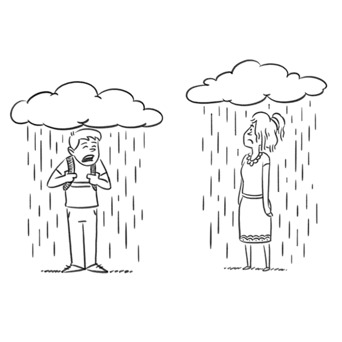
00:03 When you were younger, 00:05 your parents were probably the first ones 00:07 you ran to for advice. 00:13 But now you might feel that your parents 00:15 just don’t understand you. 00:18 Deep down, you still want to talk to them. 00:22 But what if you try, 00:24 and you feel they just aren’t listening? 00:27 Well, you could raise your voice, 00:29 but shouting won’t make 00:31 your parents more receptive 00:33 and won’t show them the respect they deserve. 00:35 You could give your parents 00:37 the silent treatment, 00:39 but the Bible suggests at Proverbs 15:22 00:42 that things only get more frustrating 00:44 when you don’t talk. 00:46 So saying nothing 00:48 really gets you nowhere. 00:49 It’s smarter to just wait 00:51 for a better time to talk. 00:54 Or you might even write them 00:56 an honest but respectful letter 00:58 expressing how you feel. 01:01 But what if the situation is flipped? 01:03 Yeah, that’s right. 01:05 Your parents want to talk, 01:06 but you don’t. 01:08 Maybe you had a bad day at school. 01:11 It’s true that choosing to talk 01:13 when you don’t feel like it could mean 01:15 the conversation will be forced, 01:17 which makes everyone tense 01:19 and leads to poor communication. 01:22 But refusing to talk 01:24 means you’ll still be stressed, 01:26 and your parents might think 01:28 that the problem is bigger than it is, 01:30 or worse, that you’re hiding something. 01:33 Instead, you could start off talking with them 01:35 on a subject that isn’t as stressful 01:38 or even one that makes you happy. 01:40 That will ease the tension 01:43 or get rid of it all together. 01:46 The bottom line: 01:48 Your parents want to help you 01:50 and you can use their help. 01:53 So choose your words carefully, 01:56 deliver them respectfully, 01:58 and think of your parents as friends, 02:00 not enemies. 02:03 Because let’s face it, 02:05 you’ll need all the allies you can get to cope 02:07 with the challenges that lie ahead.
00:03 When you were younger, 00:05 your parents were probably the first ones 00:07 you ran to for advice. 00:13 But now you might feel that your parents 00:15 just don’t understand you. 00:18 Deep down, you still want to talk to them. 00:22 But what if you try, 00:24 and you feel they just aren’t listening? 00:27 Well, you could raise your voice, 00:29 but shouting won’t make 00:31 your parents more receptive 00:33 and won’t show them the respect they deserve. 00:35 You could give your parents 00:37 the silent treatment, 00:39 but the Bible suggests at Proverbs 15:22 00:42 that things only get more frustrating 00:44 when you don’t talk. 00:46 So saying nothing 00:48 really gets you nowhere. 00:49 It’s smarter to just wait 00:51 for a better time to talk. 00:54 Or you might even write them 00:56 an honest but respectful letter 00:58 expressing how you feel. 01:01 But what if the situation is flipped? 01:03 Yeah, that’s right. 01:05 Your parents want to talk, 01:06 but you don’t. 01:08 Maybe you had a bad day at school. 01:11 It’s true that choosing to talk 01:13 when you don’t feel like it could mean 01:15 the conversation will be forced, 01:17 which makes everyone tense 01:19 and leads to poor communication. 01:22 But refusing to talk 01:24 means you’ll still be stressed, 01:26 and your parents might think 01:28 that the problem is bigger than it is, 01:30 or worse, that you’re hiding something. 01:33 Instead, you could start off talking with them 01:35 on a subject that isn’t as stressful 01:38 or even one that makes you happy. 01:40 That will ease the tension 01:43 or get rid of it all together. 01:46 The bottom line: 01:48 Your parents want to help you 01:50 and you can use their help. 01:53 So choose your words carefully, 01:56 deliver them respectfully, 01:58 and think of your parents as friends, 02:00 not enemies. 02:03 Because let’s face it, 02:05 you’ll need all the allies you can get to cope 02:07 with the challenges that lie ahead.
